
The Allure of Gambling: Understanding the Thrill
Casinos have a unique ability to draw people in, creating an environment charged with excitement and anticipation. The thrill associated with gambling is deeply rooted in human psychology. Many individuals are often attracted to the prospect of winning a large sum of money, which can trigger dopamine release in the brain. This neurotransmitter is responsible for feelings of pleasure and reward, making the act of gambling immensely satisfying for many players. Moreover, considering options that include non gamstop casinos, can be an interesting aspect for those seeking alternative gaming experiences.

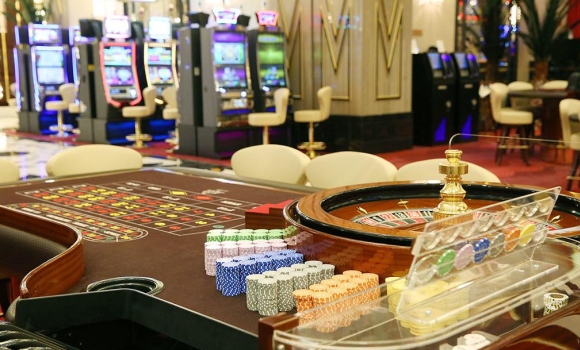
Moreover, the ambiance of casinos—complete with bright lights, captivating sounds, and vibrant energy—can further enhance the appeal. This stimulating environment can heighten emotions, making players feel as though they are part of an exhilarating experience. This state of euphoria can lead to a form of escapism, where individuals forget their daily worries and immerse themselves in the chance to win big.
The Role of Cognitive Biases in Gambling
Cognitive biases significantly influence gambling behavior, leading players to make decisions that are not always rational. One common bias is the “gambler’s fallacy,” where individuals mistakenly believe that past outcomes will affect future results. For instance, if a player observes a series of losses on a slot machine, they may assume that a win is due and thus continue to play, often leading to further losses.
Additionally, confirmation bias plays a crucial role, as players focus on information that confirms their beliefs about winning streaks or strategies while ignoring evidence to the contrary. This cognitive distortion can create a false sense of security and encourage continual participation in gambling, reinforcing the cycle of investment despite the odds.
Emotional Decision-Making in Gambling
The emotional aspect of gambling cannot be overlooked. Many players make decisions based on feelings rather than logical reasoning, leading to impulsive betting behaviors. High-stakes situations can evoke intense emotions, which often cloud judgment. The excitement of a near win can lead to further betting, as players feel compelled to chase their losses.
Moreover, emotions such as stress or anxiety can influence gambling decisions. Individuals may use gambling as a means to cope with their feelings, seeking solace in the hope of winning. However, this emotional dependence on gambling can spiral out of control, leading to problematic behavior and addiction, which can be detrimental to personal finances and relationships.
Strategies for Enhancing Winning Potential
Understanding the psychological factors at play can help players develop strategies to enhance their chances of winning. One such strategy is setting clear limits on both time and money spent at the casino. By having a predetermined budget, players can avoid falling into the trap of emotional gambling and ensure that they do not exceed their means.
Additionally, the importance of understanding game odds is critical. Players who take the time to educate themselves about the games they are playing are generally better equipped to make informed decisions. Knowledge of the risks involved and the probabilities can lead to more strategic gameplay, ultimately improving the likelihood of favorable outcomes.
Discover More Resources on Gambling Psychology
For those looking to dive deeper into the psychology of gambling and its various aspects, the website nva.org.uk provides valuable insights and resources. The site aims to offer comprehensive information on gambling behaviors, strategies for responsible gambling, and the psychological impacts of gambling.
Visitors encountering access restrictions may reach out to the site owner for assistance, ensuring they can fully benefit from the extensive knowledge available. Understanding the intricacies of gambling psychology can empower individuals to make informed choices and engage with gambling in a healthier, more balanced manner.

 English
 Vietnamese